

New ‘Fees Free’ horticulture confirms growing trend
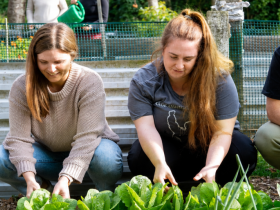
Horticulture is growing at WITT and across the region. Initiatives such as Venture Taranaki's Branching Out programme are helping highlight the exciting career opportunities available within the sector, while local growers and businesses continue to seek people with practical skills and a passion for working with plants and the environment.
To help meet this demand, WITT is excited to introduce the New Zealand Certificate in Primary Industry Skills (Level 2) – Sustainable Horticulture in 2027.
“This new programme designed to help learners build practical, transferable skills that can be applied across horticulture, agriculture, community projects, and a wide range of primary industry workplaces,” says Primary Industries Coordinator and Senior Academic Staff member Carl Freeman.
“Whether you're interested in growing food, caring for plants, working outdoors, or taking your potential first step into the primary industries, this programme provides a supportive and practical introduction to the sector,”.
Practical learning with real-world relevance
This is not a programme built around sitting in a classroom all day, Carl says.
Students will learn through practical activities that reflect real industry tasks, developing the knowledge, confidence, and work habits needed in entry-level horticulture and primary industry roles. Learners will gain experience identifying and caring for plants, growing fruit and vegetables, applying safe work practices, and understanding how sustainable management approaches can support both productive and healthy environments.
Alongside technical skills, students will build the transferable capabilities employers consistently value, including communication, teamwork, problem-solving, literacy, numeracy, digital skills, and self-management.
A pathway into the primary industries
The qualification is open entry and serves as an excellent starting point for people seeking employment or further training in the primary sector.
Graduates may progress into the New Zealand Certificate in Horticulture (Level 3) or pursue apprentice or work pathways in horticulture, agriculture, viticulture, apiculture, pest management, rural servicing, and other land-based industries.
The programme may also benefit employers looking to recognise and develop the skills of casual, seasonal, and entry-level staff.
Developed with industry, for industry
“As we continue developing learning materials, practical activities, and industry projects, we are keen to hear from growers, contractors, nurseries, orchardists, community organisations, councils, and other primary industry stakeholders,” Carl says.
“We want graduates to leave WITT with skills that are genuinely useful from day one. That means ensuring our learning activities reflect current industry needs, emerging technologies, sustainable growing practices, and the realities of modern workplaces.”
Industry partners can support the programme through:
- Sharing ideas on skills employers are looking for
- Suggesting practical projects or workplace-based activities
- Offering site visits and guest speaker opportunities
- Helping identify emerging industry trends and technologies
- Providing feedback on proposed learning materials
“Strong industry connections help us create stronger graduates, and we welcome conversations with anyone who would like to contribute.
Programme Snapshot
· Qualification: New Zealand Certificate in Primary Industry Skills (Level 2) – Sustainable Horticulture
· Duration: 17 weeks full-time (or equivalent part-time)
· Entry Requirements: Open Entry
· Fees: Fees Free
Ideal for:
- School leavers
- Career changers
- Lifestyle block owners
- Community gardeners
- Seasonal workers
- A first step into education at WITT
- Anyone interested in horticulture and sustainable land management
This new programme reflects WITT's commitment to practical, employment-focused education. By combining hands-on learning, transferable workplace skills, and strong industry engagement, we're helping learners build the confidence and capability to take their first steps into the primary industries.
Interested in learning more, or keen to contribute industry expertise as the programme develops? We'd love to hear from you. Please contact: [email protected]