

A person, not a body - healthcare assistants’ code
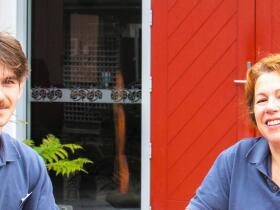
Laura De Lange wants to help people stay active so they can remain in their homes and keep the sparkle in their eyes alive. Kyan Jones gets a buzz caring for elderly people in retirement homes who remember his smiling face despite their dementia.
Both have just qualified as Healthcare Assistants having completed the New Zealand Certificate in Health and Wellbeing (level 3) – Health Assistant Strand, at WITT.
Although they are at different life stages, both have made the leap into healthcare assistant training from other jobs.
Laura decided it was time for a change from customer service administration to hands-on carer – a role that AI can’t easily replace.
“I knew that with AI, jobs like mine are under threat. Back in the day you had your payroll person, your admin and all the different components and today they want one person to do it all – which is a lot of pressure.”
She was a bit nervous about returning to study in her 50s but she’s loved it. “It’s been so welcoming in the class. Just fantastic!”
Course work and assignments have been manageable, with a supportive vibe in the classroom where she’s felt comfortable asking questions.
In the new nursing simulation centre, students learn basic care techniques (washing, feeding as well as helping with mobility, lifting and health assessments) and then go on placements for work experience.
Kyan felt a pull towards working with people after years as a tradesman. He’d been doing community support work with a national organisation, Community Connections, and enjoyed it so thought he would explore further training and qualifications.
“I’ve been going home feeling much more fulfilled, just helping people out each day – it’s awesome,” Kyan says.
Care with compassion
The essence of their training on the 19-week programme is person-centred care. This might sound obvious but is not always evident in real-world settings where staff shortages and tight timetables add pressure to the caring role.
“We see a client as a real person – not just someone who needs to be washed or fed. I think that’s the core of it – compassion and treating people with dignity,” says Laura.
Her clinical placements during the programme have reinforced the importance of human connection alongside carrying out clinical and care tasks.
“It’s about empowering people, respecting their rights, having empathy, actually listening. It’s not just a body you’re taking care of.”
“What we’ve been taught is that you talk to the person, explain what you’re doing, ask them if they are OK.
“If you haven’t had that education – yes, you know the hoist works with this button and that button, but it’s a task. We’re learning it’s for a person – this is Bob in the hoist. Bob can be scared, and Bob likes to have his hand held. So, there’s quite a difference between the person-centred and the task centred.”
For Kyan, job satisfaction comes from making a difference to someone’s day. He treasures the responses from those he cares for.
“I was looking after a resident [with dementia] in special care unit in first two weeks of my placement. When she moved to another part of the facility, she recognised me straight away, came up and gave me a big hug and said, ‘it’s so lovely to see you, I miss you.’ It was really lovely and just makes you feel good about what you’re doing.”
Before he enrolled this semester Kyan had been working with people with disabilities living in the community, taking them to appointments and outings, promoting independence in their home, maintaining dignity and privacy.
Now that the course is over, he’s continuing as a support worker at Community Connections while applying for roles in aged care facilities and is considering training to be a nurse.
Laura has a job with Healthcare New Zealand working in the community and is planning to continue her education in the sector with online courses.
She brims with enthusiasm for her new pathway and urges anyone interested to give it a go. Laura appreciated the exchange of life perspectives between older and younger classmates. Sharing placement experiences in class enhanced the supportive learning environment, she adds.
As a male healthcare assistant, Kyan is in the minority. He’d like to see more men in this sector and recommend guys should consider it. “I think a lot of men can provide a warm, welcoming environment and care.”
For more information click here: